
Follow Us :
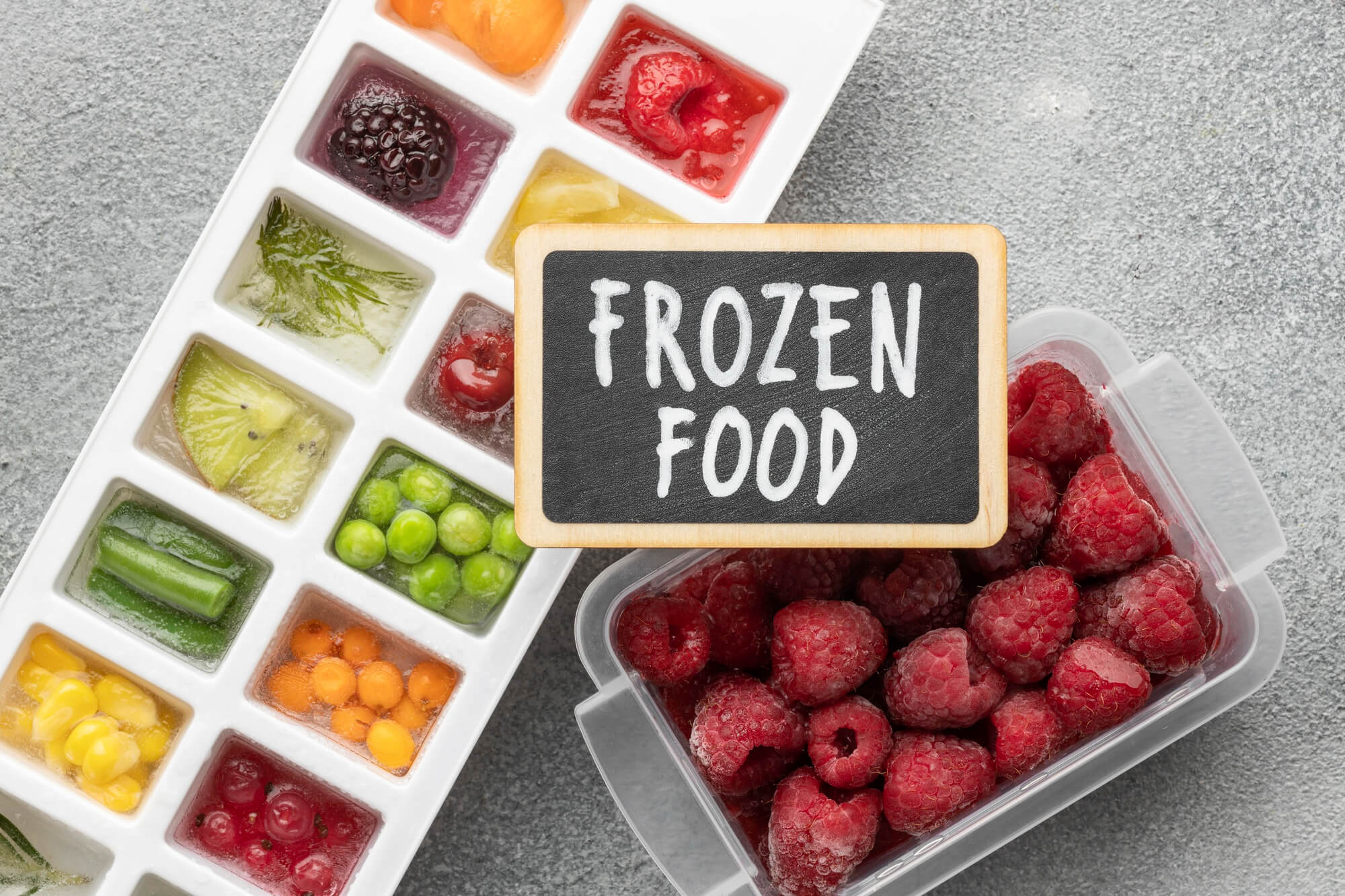
As consumers and food brands become increasingly nutrition-conscious, the way ingredients are preserved has come under sharper focus. Fresh produce is ideal, but in a global supply chain where seasonality, shelf life, and logistics matter, preservation technologies play a critical role.
Among the most effective modern methods are freeze-drying and freezing (especially IQF – Individually Quick Frozen). Both are known for preserving nutritional value far better than traditional methods such as canning or high-heat drying. But how do they compare nutritionally, and which one is better for different applications?
Understanding this comparison helps food manufacturers, exporters, and HORECA brands make informed ingredient decisions.
Fruits and vegetables are rich in vitamins, minerals, antioxidants, and bioactive compounds. These nutrients are sensitive to
The primary goal of modern preservation technology is to slow or stop nutrient degradation while extending shelf life. Freeze-drying and freezing both achieve this – but through different mechanisms
Freeze-drying, also known as lyophilization, is a low-temperature dehydration process. The produce is first frozen, and then placed under vacuum conditions where ice converts directly into vapor, bypassing the liquid stage.
This process:
Because no high heat is involved, heat-sensitive vitamins such as Vitamin C, B-complex vitamins, and antioxidants are largely retained
Freezing works by lowering the temperature to slow down enzyme activity and microbial growth. In IQF processing, ingredients are frozen rapidly, which reduces the formation of damaging ice crystals.
IQF freezing:
While some minor nutrient loss can occur during blanching (used for certain vegetables), overall nutrient retention remains high.
| Nutritional Aspect | Freeze-Dried | Frozen (IQF) |
|---|---|---|
| Vitamin retention | Very high | High |
| Mineral retention | Very high | Very high |
| Antioxidants | Largely preserved | Well preserved |
| Fibre content | Unchanged | Unchanged |
| Protein content | Unchanged | Unchanged |
| Water content | Very low | High |
Both formats preserve nutrients effectively. The main difference lies in moisture content and storage conditions, not nutritional quality alone.
One key factor often overlooked is how nutrients are consumed.
In both cases, overcooking after rehydration or thawing can reduce nutritional value – highlighting the importance of proper handling.
Freeze-dried products have a significantly longer shelf life and remain nutritionally stable at ambient temperatures when packaged correctly.
Frozen products, while nutritionally stable, rely heavily on uninterrupted cold storage. Temperature fluctuations during transportation or storage can affect quality over time.
From a logistics perspective:
When Freeze-Dried Is the Better Choice
When Frozen Is the Better Choice
The “better” option depends on how the ingredient will be consumed, not just nutrient charts
Regardless of method, nutrition preservation depends on:
Poor processing can degrade nutrients even with advanced technology. Good processing can preserve nutrition remarkably well.
India’s diverse climate allows fruits, vegetables, herbs, and spices to grow naturally rich in nutrients and flavour. When processed using modern technologies like freeze-drying and IQF freezing, this natural advantage is preserved for global markets.
At Poonam Agrosyn, we view nutrition as a responsibility, not a claim.
Our processing philosophy includes:
We focus on retaining what matters most – natural nutrition, flavour, and functional performance.
Freeze-drying and freezing are not competing technologies – they are complementary solutions.
Both preserve nutrition effectively when applied correctly. The right choice depends on product format, usage, logistics, and consumer expectations.
For food brands aiming to deliver consistent quality and nutritional integrity, understanding this difference is key.