
Follow Us :
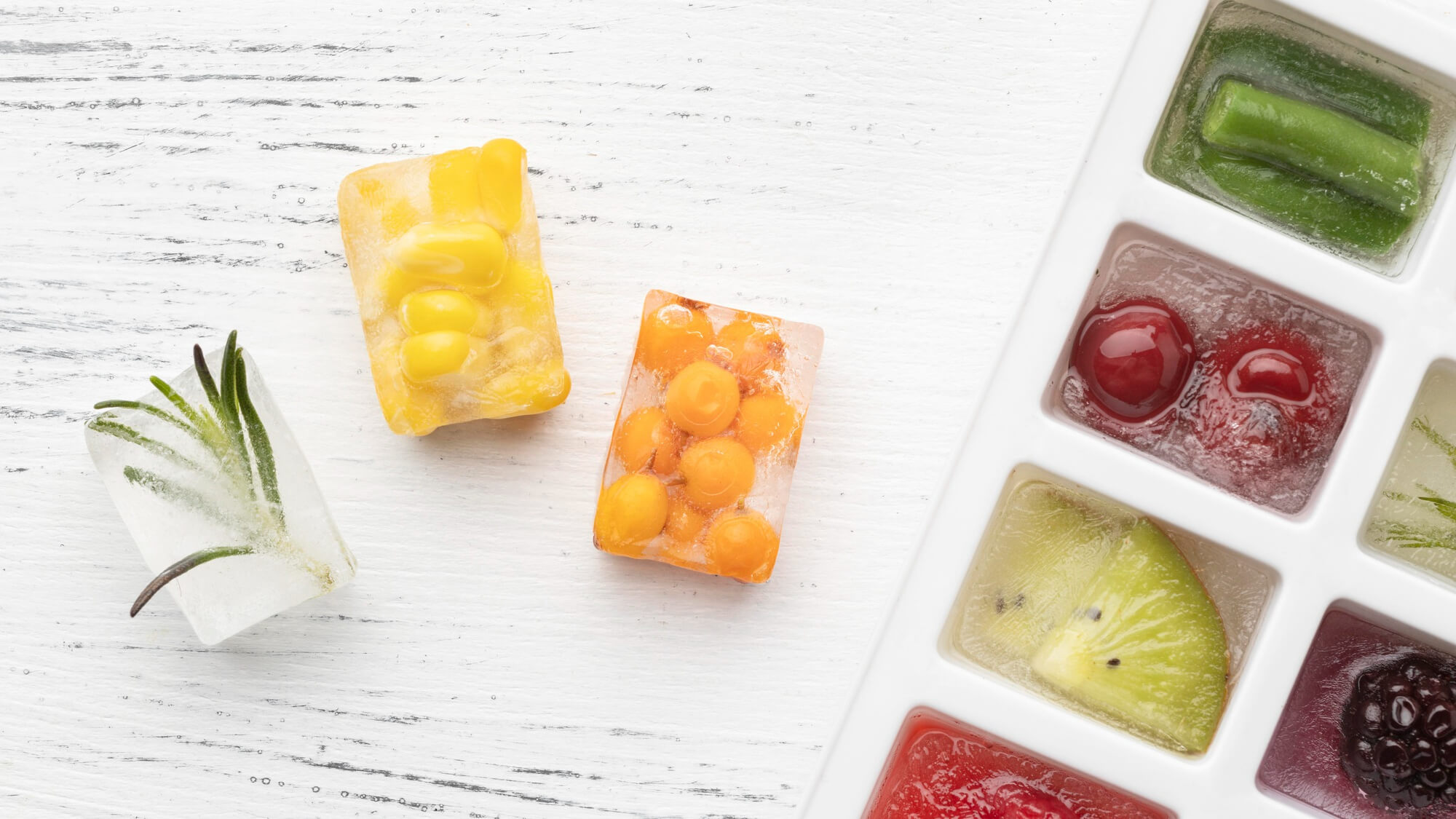
In the global food industry, ingredient decisions directly influence product quality, cost efficiency, shelf life, and consumer perception. For food manufacturers, exporters, and HORECA brands, choosing the right preservation method is not just a technical decision – it is a strategic one.
Two of the most widely used food processing technologies today are IQF (Individually Quick Frozen) and Dehydration. Both help extend shelf life and ensure year-round availability, but they serve very different product applications.
Understanding the difference between IQF and dehydration can help brands design better formulations, manage logistics more efficiently, and meet evolving market expectations.
IQF is a freezing technology where individual pieces of fruits or vegetables are frozen rapidly at extremely low temperatures. This quick freezing prevents large ice crystals from forming inside the cells, which helps maintain the ingredient’s original structure.
IQF fruits and vegetables are widely used in:
For brands that want to offer a fresh-like experience without seasonal dependency, IQF is often the preferred choice.
Dehydration is a preservation method that removes moisture from food using controlled heat and airflow. By lowering the water content, microbial growth is inhibited, significantly extending shelf life.
Dehydrated ingredients are:
While dehydration alters texture, it concentrates flavour, making it ideal for products that are later rehydrated or blended into formulations.
Dehydrated fruits, vegetables, herbs, and spices are commonly used in:
For businesses focused on scale, long shelf life, and logistical efficiency, dehydration offers significant advantages.
| Factor | IQF | Dehydration |
|---|---|---|
| Texture after preparation | Closest to fresh | Rehydrated or powdered |
| Nutrient retention | High | Moderate to high |
| Shelf life | Medium | Long |
| Storage requirement | Cold chain | Ambient |
| Transportation cost | Higher | Lower |
| Weight & volume | Higher | Significantly reduced |
The choice between IQF and dehydration depends heavily on how the ingredient will be used, not just how it is processed.
Choosing the right format depends on several key considerations:
If your product requires visible pieces, fresh texture, or minimal cooking time, IQF is usually the better option. If the ingredient is part of a blend, seasoning, or instant mix, dehydration often works best.
Brands with access to cold storage and frozen logistics can leverage IQF. For markets where cold chains are expensive or unreliable, dehydrated products offer flexibility.
IQF ingredients are often positioned as premium, while dehydrated ingredients support mass-market and value-driven products.
Dehydrated ingredients reduce storage space, shipping weight, and handling complexity – a major advantage for export-focused businesses.
Many successful food companies use a combination of both technologies across different product categories.
It’s important to note that technology alone does not guarantee quality. The final outcome depends on:
Poor execution at any stage can compromise flavour, nutrition, and safety – regardless of the method used
At Poonam Agrosyn, we don’t believe in one-size-fits-all solutions. Our role is to help food businesses choose the right ingredient format for their specific application.
We offer:
By combining India’s agricultural diversity with modern food processing technologies, we help our partners build products that are consistent, scalable, and trusted.
The choice between IQF and dehydration is not about which technology is better – it’s about which is right for your product line.
When ingredient decisions are made thoughtfully, they reduce costs, improve quality, and strengthen brand credibility.
And in a competitive food market, those advantages matter.